
Emma earns £58,000. She has £30,000 sitting in an easy-access savings account at 4.5%, earning £1,350 in interest per year. After her £500 Personal Savings Allowance (higher-rate taxpayers get £500, not £1,000), HMRC taxes the remaining £850 at 40% — a £340 annual tax bill on money she's already paid income tax on. She moves the £20,000 she's allowed into a Cash ISA. The £900 interest that portion earns is now entirely tax-free.
Tom is 27 and saving for his first home. He's been putting £200 a month into a regular savings account. He switches to a Lifetime ISA instead — the same £2,400 a year becomes £3,000 with the 25% government bonus added automatically. Over five years to his first home purchase, that bonus adds £3,000 his savings account would never have provided.
These two cases illustrate why the ISA matters: it is not just a savings account — it is a tax wrapper that changes what your money actually earns.
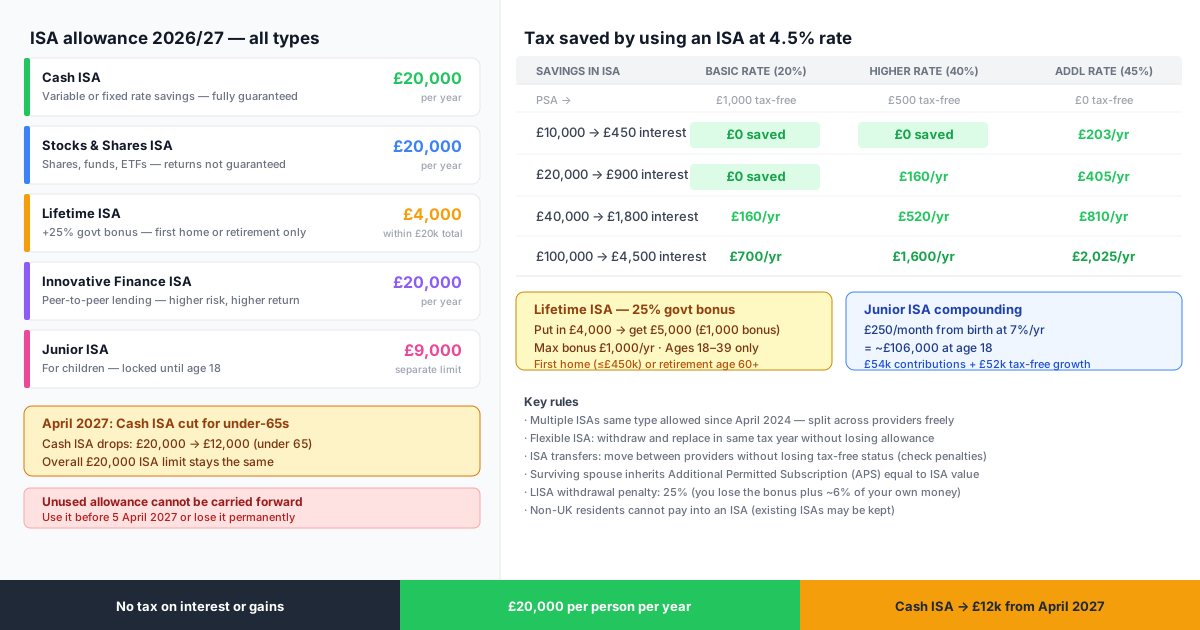
🏛ISA allowance 2026/27 — all types at a glance
| ISA type | Annual limit | Who can open it | What it invests in |
|---|---|---|---|
| Cash ISA | £20,000* | UK residents aged 18+ | Cash savings, variable or fixed rates |
| Stocks & Shares ISA | £20,000* | UK residents aged 18+ | Shares, funds, bonds, ETFs |
| Innovative Finance ISA | £20,000* | UK residents aged 18+ | Peer-to-peer lending, crowdfunding |
| Lifetime ISA (LISA) | £4,000 (within £20k total) | Aged 18–39 to open | Cash or investments |
| Junior ISA (JISA) | £9,000 (separate limit) | Children under 18 | Cash or investments |
*Combined total across all non-JISA ISAs cannot exceed £20,000 in one tax year.
The £20,000 annual adult ISA allowance has been unchanged since April 2017. It does not rise with inflation, which means its real value has fallen over time.
Tax year dates: The 2026/27 tax year runs from 6 April 2026 to 5 April 2027. Deposits made on or after 6 April 2026 count toward your 2026/27 allowance. Deposits made on or after 6 April 2027 count toward 2027/28.
What your ISA actually saves you — in £
This is what most guides skip. The tax saving depends on your income (which determines your Personal Savings Allowance) and how much interest your savings earn.
Personal Savings Allowance by income for 2026/27:
- Basic rate taxpayer (income up to £50,270): £1,000 PSA
- Higher-rate taxpayer (income £50,271–£125,140): £500 PSA
- Additional rate taxpayer (income above £125,140): £0 PSA
Annual ISA tax saving on Cash ISA at 4.5% rate:
| Savings in ISA | Basic rate (20%) | Higher rate (40%) | Additional rate (45%) |
|---|---|---|---|
| £10,000 (£450 interest) | £0 | £0 | £203 |
| £20,000 (£900 interest) | £0 | £160 | £405 |
| £40,000 (£1,800 interest) | £160 | £520 | £810 |
| £100,000 (£4,500 interest) | £700 | £1,600 | £2,025 |
Basic rate: PSA covers first £1,000; only interest above £1,000 taxed at 20%. Higher rate: PSA covers first £500; remainder at 40%. Additional rate: no PSA; all interest at 45%.
Stocks and Shares ISA — the capital gains angle: The annual Capital Gains Tax allowance for 2026/27 is £3,000. If your investments grow by more than £3,000 in a tax year, you pay CGT on the excess at 18% (basic rate) or 24% (higher rate) outside an ISA. Inside a Stocks and Shares ISA, all gains are tax-free regardless of size. For long-term investors, this matters more than the interest saving.
Example: £20,000 invested in a global index fund growing at 7% a year earns £1,400 in year one. In a taxable account, that exceeds the £3,000 CGT allowance only if combined with other gains — but after 10 years, the cumulative gains inside the ISA vs outside can differ by thousands. Over 20 years at 7%, £20,000 grows to £77,394. The CGT on those gains outside an ISA (at 24% higher rate on gains above the annual allowance) could cost £15,000–£18,000.
💷The five types of ISA — when to use each one
Cash ISA
The simplest option. Your money earns interest at a variable or fixed rate, and that interest is completely tax-free. Best for:
- Short-term savings (1–5 years)
- Emergency fund shelter if you're a higher or additional rate taxpayer
- Fixed-rate savings where you don't need access
Watch out for: Fixed-rate Cash ISAs typically do not allow withdrawals before the term ends. Easy-access rates are usually lower than fixed.
Stocks and Shares ISA
Your money is invested in the stock market — individual shares, index funds, ETFs, or managed funds. Returns are not guaranteed and your investment can fall. Best for:
- Medium to long-term goals (5+ years)
- Sheltering investment growth and dividend income from tax
- Building a retirement pot alongside a pension
The dividend angle: Dividends inside a Stocks and Shares ISA are tax-free. Outside an ISA, the dividend allowance is £500 in 2026/27 — above that, you pay 10.75% (basic rate), 35.75% (higher rate), or 39.35% (additional rate).
Lifetime ISA
The government adds 25% to everything you put in — up to £1,000 bonus per year on a £4,000 deposit. Best for:
- First-time buyers aged 18–39 saving for a home up to £450,000
- Long-term retirement savings if you want a guaranteed 25% return on contributions
The withdrawal penalty: If you withdraw for any reason other than a qualifying first home purchase or after age 60, HMRC charges a 25% penalty. On a £5,000 pot (£4,000 deposit + £1,000 bonus), a 25% penalty leaves you with £3,750 — meaning you lose £250 of your own money, not just the bonus.
Lifetime ISA worked example:
- Contribute £4,000/year from age 25 to 50 (25 years)
- Government bonus: £1,000/year = £25,000 total bonus
- Total invested: £125,000 (£100k + £25k bonus)
- At 5% annual return over 25 years: approximately £596,000
- The bonus alone, compounded at 5% over 25 years, contributes around £119,000
Innovative Finance ISA
Wraps peer-to-peer lending in the ISA tax shelter. Interest from P2P loans is tax-free. Higher potential returns than Cash ISAs — but also higher risk, including the risk of borrower default. Best for investors comfortable with credit risk who want to diversify beyond cash and equities.
Junior ISA
The JISA allowance of £9,000 per year is separate from the adult £20,000 limit. Children cannot access the money until age 18. Best for:
- Parents, grandparents, or wider family building a head start for a child
- Long-term tax-free compounding — 18 years of growth with no tax
Junior ISA compounding example:
- Contribute £250/month (£3,000/year) from birth in a Stocks and Shares JISA
- At 7% annual return over 18 years: approximately £106,000
- Total contributions: £54,000 — the additional £52,000 is tax-free growth
- At the maximum £9,000/year: approximately £320,000 at 18
The April 2027 Cash ISA cut — what it actually means
From 6 April 2027, the Cash ISA allowance for people under 65 drops from £20,000 to £12,000 per year. People aged 65 and over keep the full £20,000 Cash ISA limit.
The overall £20,000 ISA limit does not change. What changes is how much of it can go into Cash ISAs:
| Age | Cash ISA limit from April 2027 | Total ISA limit |
|---|---|---|
| Under 65 | £12,000 | £20,000 |
| 65 and over | £20,000 | £20,000 |
What this means in practice: If you are under 65 and currently put your full £20,000 into a Cash ISA each year, from 2027/28 you can only put £12,000 into Cash ISAs. The remaining £8,000 of your ISA allowance can go into Stocks and Shares ISAs or Innovative Finance ISAs — but not cash.
The tax cost of the £8,000 shift: If the £8,000 that can no longer go into a Cash ISA earns 4.5% in a taxable savings account instead:
- Interest: £360
- Higher-rate taxpayer: £360 above their £500 PSA (if the rest of their savings exceed it) taxed at 40% = up to £144 extra tax per year
- Additional rate taxpayer: £360 at 45% = £162 extra tax per year
This tax year (2026/27) is the last year under-65s can put the full £20,000 into a Cash ISA. Using your full allowance before 5 April 2027 shelters that money permanently — it stays in the ISA regardless of future rule changes, and the balance continues to earn tax-free interest indefinitely.
Multiple ISAs — the April 2024 rule change
Since 6 April 2024, you can open and contribute to multiple ISAs of the same type in the same tax year. Previously, you were limited to one Cash ISA and one Stocks and Shares ISA per tax year.
What this means now:
- You can open a fixed-rate Cash ISA with one bank and an easy-access Cash ISA with another in the same tax year
- You can spread your Stocks and Shares ISA across multiple platforms
- Your total contributions across all ISAs must still stay within £20,000
This matters for people who want to lock some savings into a competitive fixed-rate ISA while keeping some accessible in an easy-access account.
Flexible ISAs — withdrawing without losing your allowance
A flexible ISA lets you withdraw money and put it back in the same tax year without it counting as a new subscription.
Standard ISA: You deposit £20,000 (full allowance). You withdraw £5,000 in August. Your annual allowance is used up — you cannot put the £5,000 back.
Flexible ISA: Same scenario — but you can re-deposit the £5,000 before 5 April without it counting as a new subscription. The flexibility resets each tax year.
Not all providers offer flexible ISAs — mainly easy-access Cash ISAs. Fixed-rate ISAs and most Stocks and Shares ISAs are not flexible. Check before withdrawing if you intend to replace the money in the same tax year.
ISA rules you need to know
No carry-forward: Unused allowance is lost at the end of the tax year. If you deposit £15,000 in 2026/27, the unused £5,000 does not roll over to 2027/28.
You must be UK resident: You need to be a UK resident to subscribe to an ISA. You can keep existing ISAs if you move abroad, but you cannot pay new money in while non-resident.
ISA transfers: You can transfer between ISA providers without losing your allowance or the tax-free status of existing holdings. Full or partial transfers are allowed. If you have a fixed-rate ISA, check whether early transfer is permitted and whether a penalty applies.
Death and ISAs: When you die, your ISA becomes part of your estate and may be subject to inheritance tax (depending on estate size). However, a surviving spouse or civil partner receives an Additional Permitted Subscription (APS) equal to the value of your ISA, allowing them to inherit the tax-free wrapper as well as the money.
ISA and inheritance tax: The APS means a surviving spouse can effectively inherit the tax shelter, not just the cash. This is separate from the normal spousal IHT exemption.
Last updated July 2026. ISA allowances from HMRC 2026/27. April 2027 Cash ISA changes confirmed in Autumn Budget 2025. Rates and returns used for illustration only — actual rates vary by provider.