
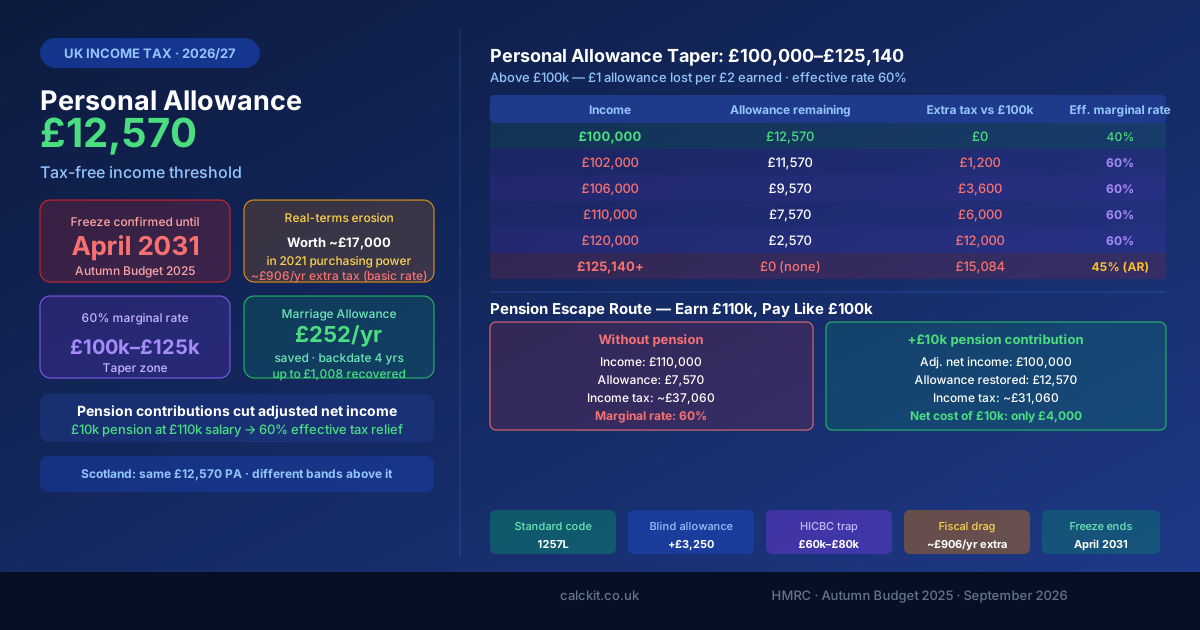
You can earn £12,570 before HMRC takes a penny in income tax. That threshold has not moved since April 2021. By 2026/27, five years of inflation mean it would need to be around £17,000 to buy the same things it bought when the freeze started — and yet it stays at £12,570. The quiet effect is that around 3.7 million more people have been pulled into income tax, and millions more have tipped into the 40% bracket.
That is the first story. The second story is stranger: if you earn £101,000, you can face a higher effective tax rate than someone earning £120,000. The mechanism — the Personal Allowance taper — is the 60% trap, and most people earning in that range are paying it without knowing it.
This guide covers both stories, including the numbers, who is affected, and the legal methods that exist to reduce or reverse the damage.
🏛What Is the Personal Allowance?
The Personal Allowance is the amount of income you receive free of income tax each year. It applies to most UK residents and covers all types of income — salary, self-employment profit, pension income, rental income, and most other taxable receipts.
For 2026/27, the Personal Allowance is £12,570. Every pound you earn below this threshold generates zero income tax. Every pound above it is subject to income tax at whichever rate applies.
| Tax year | Personal Allowance | Status |
|---|---|---|
| 2021/22 | £12,570 | First year at this level |
| 2022/23 | £12,570 | Frozen |
| 2023/24 | £12,570 | Frozen |
| 2024/25 | £12,570 | Frozen |
| 2025/26 | £12,570 | Frozen |
| 2026/27 | £12,570 | Frozen |
| 2027/28 | £12,570 | Frozen (planned) |
| 2028–2031 | £12,570 | Frozen — Autumn Budget 2025 extended the freeze to April 2031 |
The freeze was originally announced to last until April 2026, then extended to 2028, then extended again at the Autumn Budget 2025 to April 2031. No increase has been announced beyond that date.
What the Freeze Actually Costs You
"Frozen allowance" sounds like nothing is changing. In practice, inflation means the same number buys less purchasing power each year — which is the same as saying the real threshold is falling.
Since April 2021, cumulative CPI inflation has been approximately 36%. If the Personal Allowance had risen with inflation, it would need to be roughly £17,000 in 2026/27 to maintain the same real value.
| Scenario | 2026/27 effective Personal Allowance |
|---|---|
| Frozen at £12,570 | £12,570 |
| If risen with CPI since 2021 | ~£17,100 |
| Difference (extra taxable income) | ~£4,530 |
| Extra income tax (basic rate 20%) | ~£906/yr |
That £906 per year is not a visible tax rise — no Budget announced it. It arrived silently each year as wages rose and the threshold did not. This mechanism is called fiscal drag.
How Income Tax Bands Work Above the Allowance
Once your income exceeds £12,570, income tax applies in bands. The Personal Allowance itself sits below all the bands.
| Band | Income range | Rate |
|---|---|---|
| Personal Allowance | £0–£12,570 | 0% |
| Basic rate | £12,571–£50,270 | 20% |
| Higher rate | £50,271–£125,140 | 40% |
| Additional rate | Above £125,140 | 45% |
These are England, Wales, and Northern Ireland rates. Scotland has different bands above the Personal Allowance — the same £12,570 threshold applies, but the bands and rates diverge from there. See our Scottish income tax guide for the full breakdown.
The Taper: What Happens Above £100,000
The Personal Allowance is not fixed for everyone. For people with income above £100,000, it is gradually withdrawn.
The rule: For every £2 of income above £100,000, you lose £1 of Personal Allowance.
| Income | Allowance remaining | Allowance lost |
|---|---|---|
| £100,000 | £12,570 | £0 |
| £102,000 | £11,570 | £1,000 |
| £106,000 | £9,570 | £3,000 |
| £110,000 | £7,570 | £5,000 |
| £115,000 | £5,070 | £7,500 |
| £120,000 | £2,570 | £10,000 |
| £125,140 | £0 | £12,570 |
| Above £125,140 | £0 | — |
At £125,140 the Personal Allowance is entirely gone. Income above that figure is taxed at the additional rate of 45%.
The 60% Tax Trap Explained
The taper creates a zone — between £100,000 and £125,140 — where the effective marginal tax rate is 60%. Here is why.
Suppose your income is £100,000 and you receive a £2,000 pay rise, taking you to £102,000.
- You pay 40% income tax on the extra £2,000 = £800
- Earning £2,000 above £100,000 also costs you £1,000 of Personal Allowance
- That lost £1,000 of allowance now gets taxed at 40% = £400
- Total tax on £2,000: £800 + £400 = £1,200
- Effective rate: £1,200 ÷ £2,000 = 60%
You keep only 40p of every extra pound earned in this range. That is a higher effective rate than the additional rate (45%) that applies above £125,140.
The counterintuitive result: Someone earning £101,000 pays a higher marginal rate than someone earning £126,000. If you are close to £100,000, even a modest pay rise or a bonus that tips you over the threshold triggers the trap.
How to Escape the 60% Trap
The taper is calculated against adjusted net income — not your gross salary. Adjusted net income is income after:
- Pension contributions made through your employer's salary sacrifice scheme
- Personal pension contributions (grossed up for basic-rate tax relief)
- Gift Aid donations (grossed up)
- Trading losses (self-employment)
By reducing adjusted net income to £100,000 or below, you restore the full Personal Allowance and eliminate the 60% marginal rate.
Worked example: the pension recovery
Alex earns £110,000 per year. Without any adjustment, they are deep in the taper.
| Without pension contribution | With £10,000 pension contribution |
|---|---|
| Gross income: £110,000 | Gross income: £110,000 |
| Adjusted net income: £110,000 | Adjusted net income: £100,000 |
| Personal Allowance: £7,570 | Personal Allowance: £12,570 |
| Income tax (approx): £37,060 | Income tax (approx): £31,060 |
| Tax saving: £6,000 | |
| Net cost of £10,000 contribution: £4,000 | |
| Effective tax relief: 60% |
The pension contribution appears to cost £10,000 but actually costs £4,000 after the restored allowance + basic relief. The 60% trap that normally punishes this income range becomes a 60% relief rate on pension saving.
The same logic applies to Gift Aid donations. A £5,000 Gift Aid donation reduces adjusted net income by £6,250 (grossed up), which can partially or fully restore lost allowance.
Marriage Allowance: Transfer Up to £1,260
If one partner is a non-taxpayer (income below £12,570) and the other is a basic-rate taxpayer (income £12,571–£50,270), the lower earner can transfer up to £1,260 of their unused Personal Allowance.
The receiving partner gets a tax code adjustment and pays up to £252 less income tax per year.
The backdate that most people miss
Marriage Allowance claims can be backdated up to four complete tax years. If you were eligible in 2022/23, 2023/24, 2024/25, and 2025/26 but never claimed, you can recover all four years in a single claim.
| Years backdated | Tax recovered |
|---|---|
| 1 year (2025/26) | £252 |
| 2 years (+ 2024/25) | £504 |
| 3 years (+ 2023/24) | £756 |
| 4 years (+ 2022/23) | £1,008 |
To claim, the non-taxpaying partner applies online at HMRC's Marriage Allowance service. Claims can be made even if the lower-earning partner has no HMRC account — the system creates one during the claim process.
Blind Person's Allowance: £3,250 on Top
People who are registered as severely sight-impaired (blind) with a local authority receive an additional allowance of £3,250 on top of the standard Personal Allowance.
For 2026/27, this means a total tax-free income of £15,820.
Key points:
- It is not applied automatically — you must claim it by contacting HMRC
- If you cannot use the full allowance because your income is too low, the unused portion can be transferred to your spouse or civil partner
- It applies even if you also receive the Marriage Allowance transfer
The Child Benefit Interaction (and a Second 60% Trap)
There is a second high-tax zone that many people hit before they reach the PA taper. The High Income Child Benefit Charge (HICBC) starts at £60,000 adjusted net income.
Between £60,000 and £80,000, Child Benefit is gradually clawed back at 1% per £100 of income. Above £80,000 it is entirely withdrawn.
For a family with two children, annual Child Benefit is approximately £3,694/year (2026/27 rates). Losing this over £20,000 of income adds roughly 18.5% to the effective marginal rate in that range.
Combined with 40% income tax and 2% National Insurance, the effective marginal rate between £60,000 and £80,000 can reach 60–62% even before the PA taper begins at £100,000.
The same pension / Gift Aid strategy works here too — reducing adjusted net income to below £60,000 stops the HICBC charge entirely.
See our income tax bands article for how all the bands and charges interact across the full income range.
How the Allowance Appears in Your Tax Code
For PAYE employees, HMRC applies the Personal Allowance through your tax code rather than through a rebate or refund.
The standard tax code for 2026/27 is 1257L:
- 1257 = Personal Allowance ÷ 10 = £12,570 ÷ 10 = 1,257
- L = standard Personal Allowance applies
If your allowance is reduced (e.g. due to the £100k taper), your tax code number will be lower. If you have a K code, your allowance has been reduced below zero — meaning HMRC is adding an amount to your taxable income rather than deducting one.
| Code | What it means |
|---|---|
| 1257L | Full £12,570 Personal Allowance |
| 1007L | Reduced allowance (e.g. after Marriage Allowance transfer out) |
| 1507L | Increased allowance (e.g. after receiving Marriage Allowance) |
| 0T | No Personal Allowance — all income taxed at full rate |
| BR | All income taxed at 20% (second job or pension) |
| K code | Negative allowance — taxable income is increased |
For more detail on every tax code variant and what triggers them, see our tax codes explained guide.
Self Assessment vs PAYE
For PAYE employees, the allowance is built into the tax code and deducted from each payslip automatically. No action is required for the standard allowance.
For self-employed people, the Personal Allowance is applied in the Self Assessment tax return — it reduces the taxable profit figure before income tax is calculated. You do not need to claim it separately; HMRC applies it automatically when processing your return.
If you have both employment income and self-employment income, the total is combined, and the single Personal Allowance is applied against the combined figure.
💷Who Does Not Get the Full Allowance
Several groups do not receive the standard £12,570:
- Income above £100,000 — tapered as described above
- Non-UK residents — generally no entitlement unless from a country with a specific treaty (e.g. the US, EU member states for those with relevant UK income). EEA workers with UK employment income retain the allowance in most cases.
- Individuals with income over £100,000 who have not filed Self Assessment — the taper applies even if HMRC has not yet caught up via tax code; underpaid tax will be collected later
Quick Reference: Personal Allowance 2026/27
| Fact | Figure |
|---|---|
| Standard Personal Allowance | £12,570 |
| Taper starts at | £100,000 |
| Allowance fully withdrawn at | £125,140 |
| Effective marginal rate in taper zone | 60% |
| Freeze ends (currently planned) | April 2031 |
| Marriage Allowance transfer limit | £1,260 |
| Marriage Allowance annual saving | Up to £252 |
| Marriage Allowance backdate | Up to 4 years (up to £1,008) |
| Blind Person's Allowance addition | £3,250 (total: £15,820) |
| Standard PAYE tax code | 1257L |
Use our income tax calculator to model your personal tax position including the effect of pension contributions on your adjusted net income.
Last updated September 2026. Personal Allowance and income tax bands from HMRC for the 2026/27 tax year (6 April 2026 to 5 April 2027). Fiscal drag estimates based on ONS CPI data. For personal advice, consult a qualified tax adviser or accountant.